Role: Designer, Researcher, Author
Context: Masters Thesis, Pratt Institute, New York, 2016
THE CHALLENGE:
Sustainability solutions handed to us from the outside rarely stick unless they already match our values and ways of living. The missing link in creating lasting behavioural change is not more information. It is a genuine shift in how we value ourselves, each other, and the natural world we share. And yet most sustainability education leaves culture almost entirely out of the conversation.Culture is one of the most powerful drivers of how people think and act. It shapes what we celebrate, what we consume, what we consider sacred, and what we take for granted. Without addressing culture, even the most well-designed sustainability strategies struggle, because they ask people to change their behaviour without ever examining the values that drive it.
What I Did:
Framework Development: Compassionate Systems Design began with a simple but powerful observation: a cultural celebration is a time and space where people come together to honour who they are and what they value. That makes it not just a cultural moment, but a leverage point for systems change. Celebrations carry deep social capital, including memory, belonging, identity, and joy. If we can invite people to look honestly at their celebrations, to ask what authentic values sit at their core and what has been added by commercialisation or habit, we open a door to reimagination that is rooted in something people already love.

The framework was designed for high school students, who are at exactly the right age to examine inherited traditions with fresh eyes and to begin developing the systems literacy and compassion they will need to navigate an increasingly complex world. Rather than presenting sustainability as an abstract global challenge, the framework roots inquiry in lived experience. Students choose a celebration from their own cultural context, analyse it across environmental, community, and personal dimensions, and then redesign an artefact or practice from within it to be more sustainable and equitable for everyone it touches.
The pedagogy was also designed to mirror the way cultures actually evolve, through intergenerational transmission. Students do not simply complete the framework and move on. They redesign something, test it, reflect on it, and pass that work forward to the next cohort. The following year's students inherit it, interrogate it further, and iterate again. Learning accumulates across years the way traditions do, through inheritance, care, and collective authorship. This was a deliberate design choice. If we want students to understand systems change, the learning itself should model how change actually works.
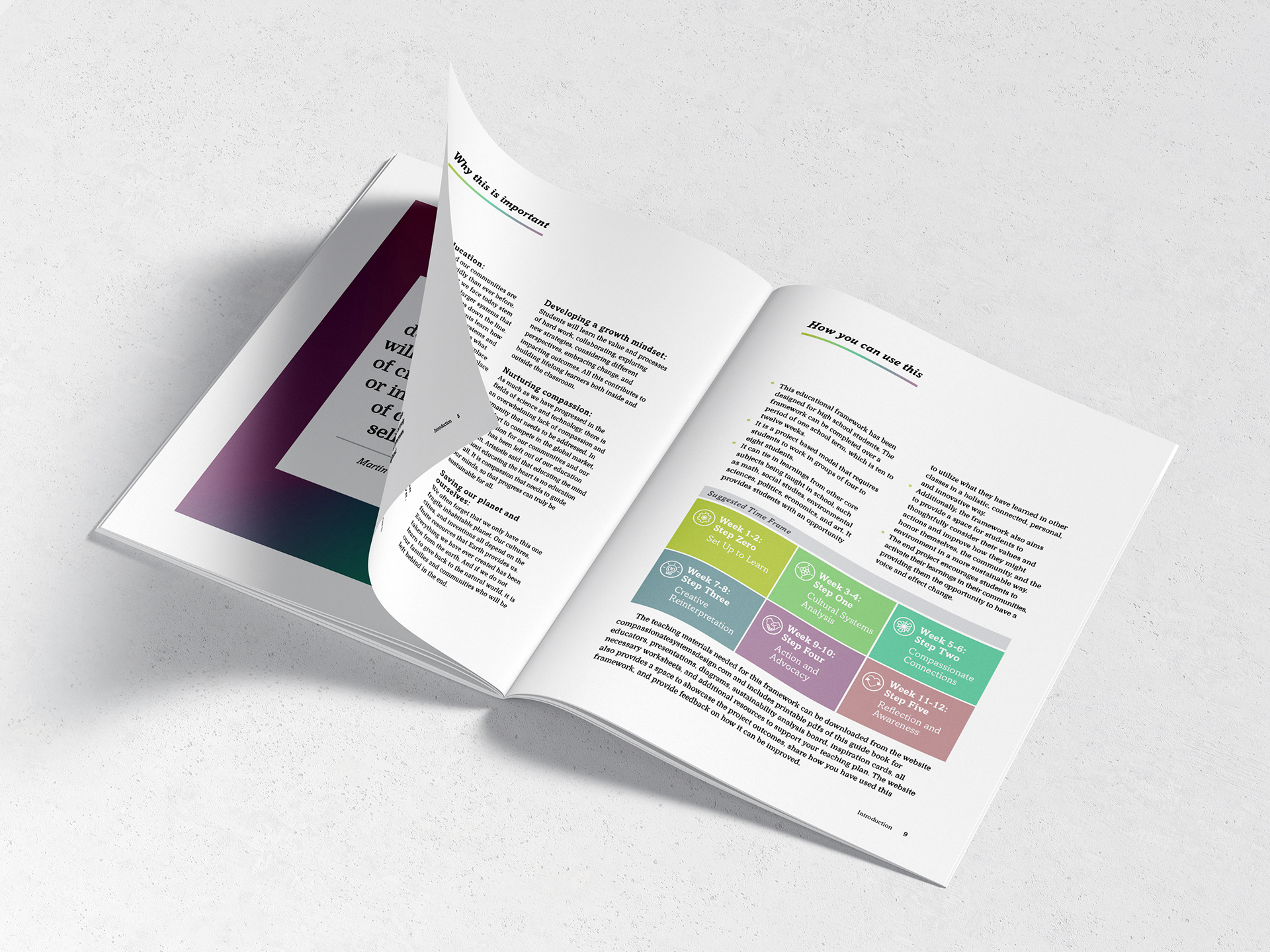
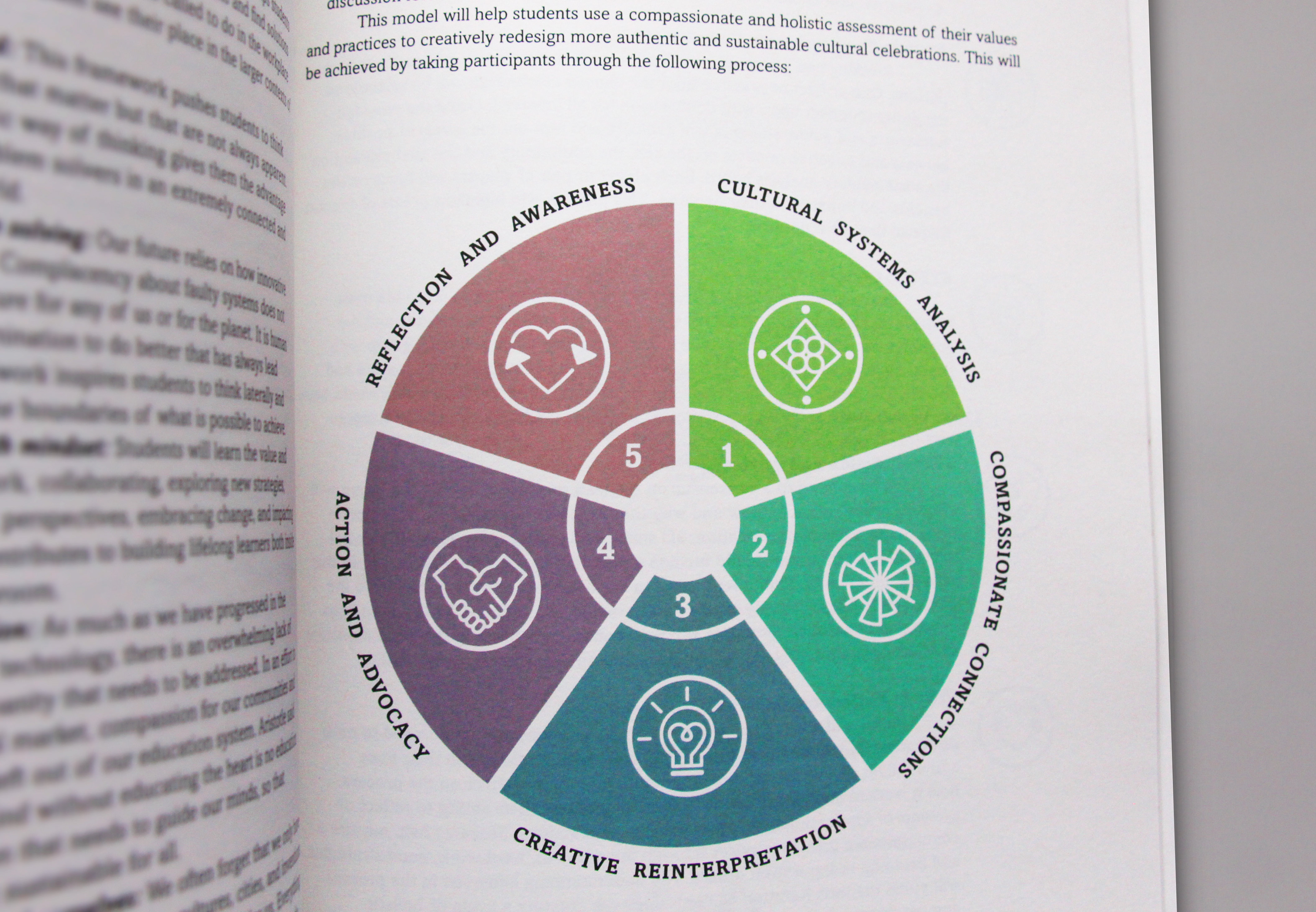
The five-stage framework moves students through Cultural Systems Analysis, Compassionate Connections, Creative Reinterpretation, Action and Advocacy, and Reflection and Awareness. Preceding all five stages is Step Zero, setting the mindset, because without shifting how students think, no toolkit in the world will shift what they do.
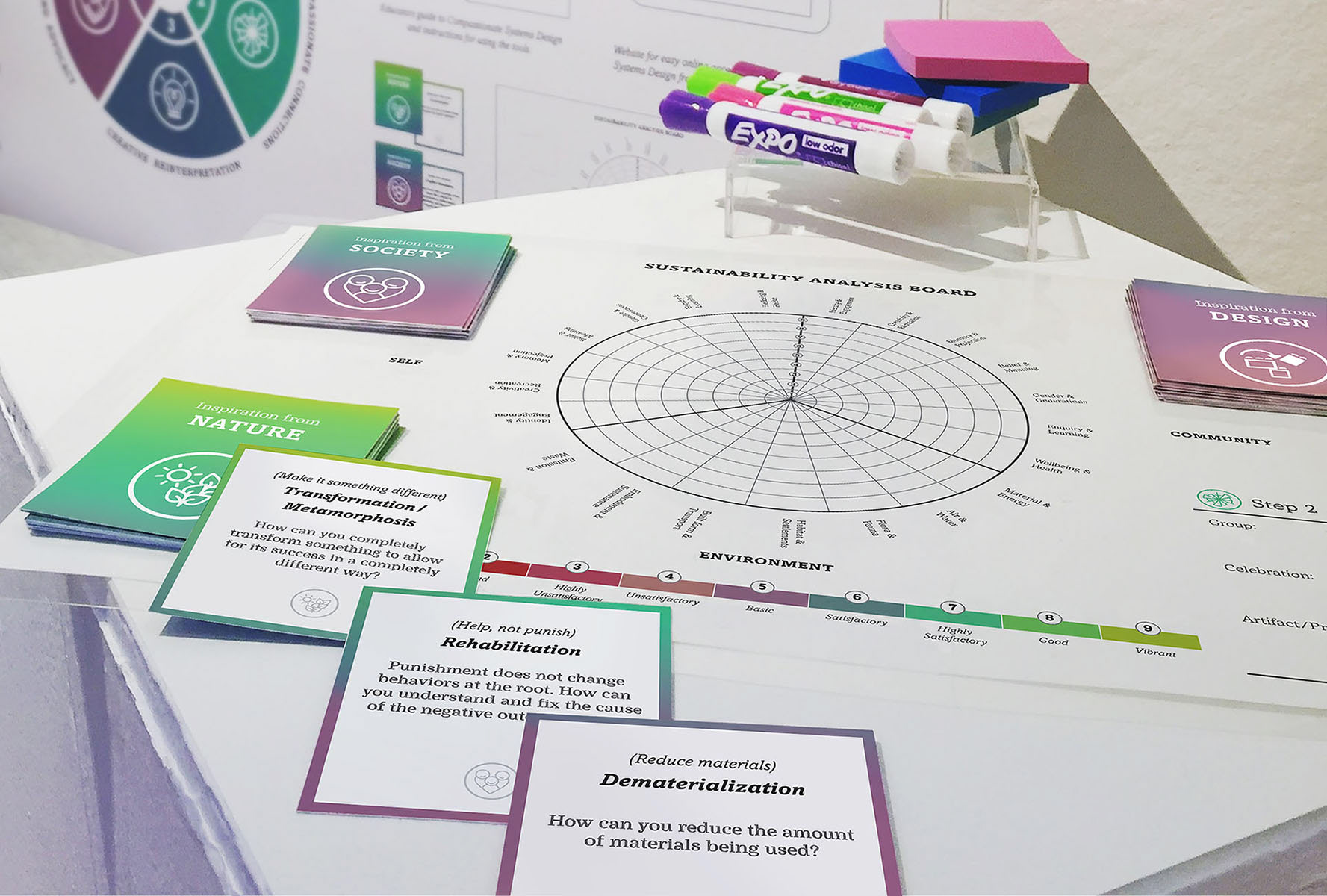
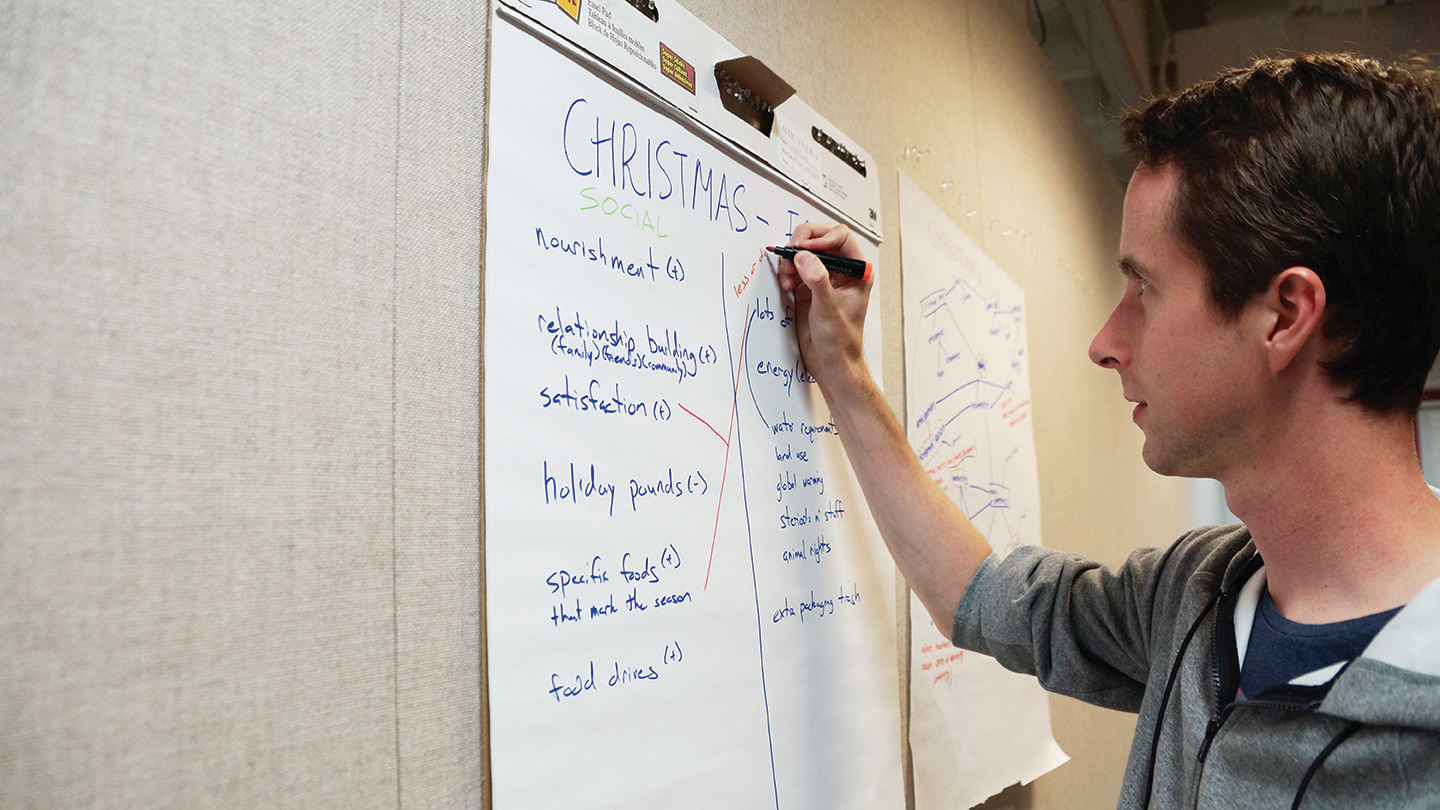
Curriculum and Tool Design: Designed a full suite of classroom tools including a Sustainability Analysis Board adapted from Paul James's Circles of Sustainability model, domain perspective worksheets, inspiration card sets drawn from society, design, and nature, a theory of change template, brainstorming guides, and facilitation materials for educators. All tools were designed to be accessible, adaptable, and replicable across schools, community centres, and cultural institutions.
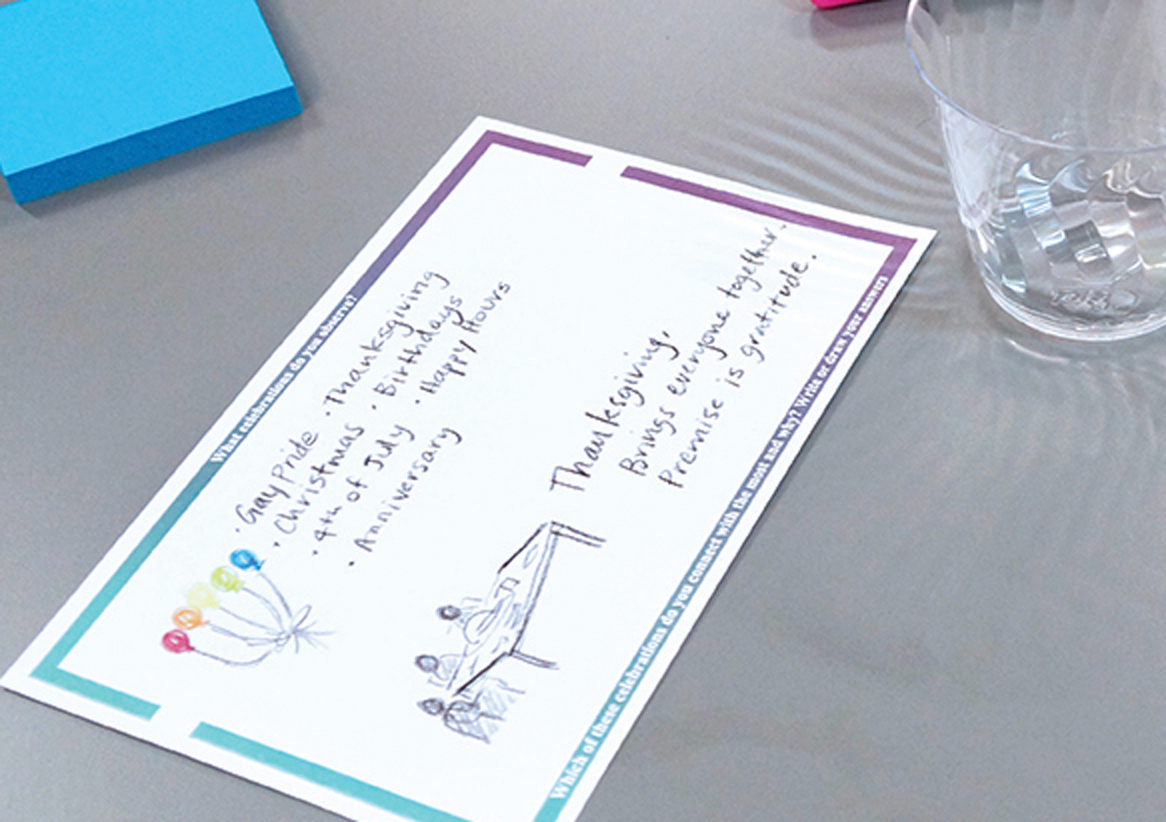
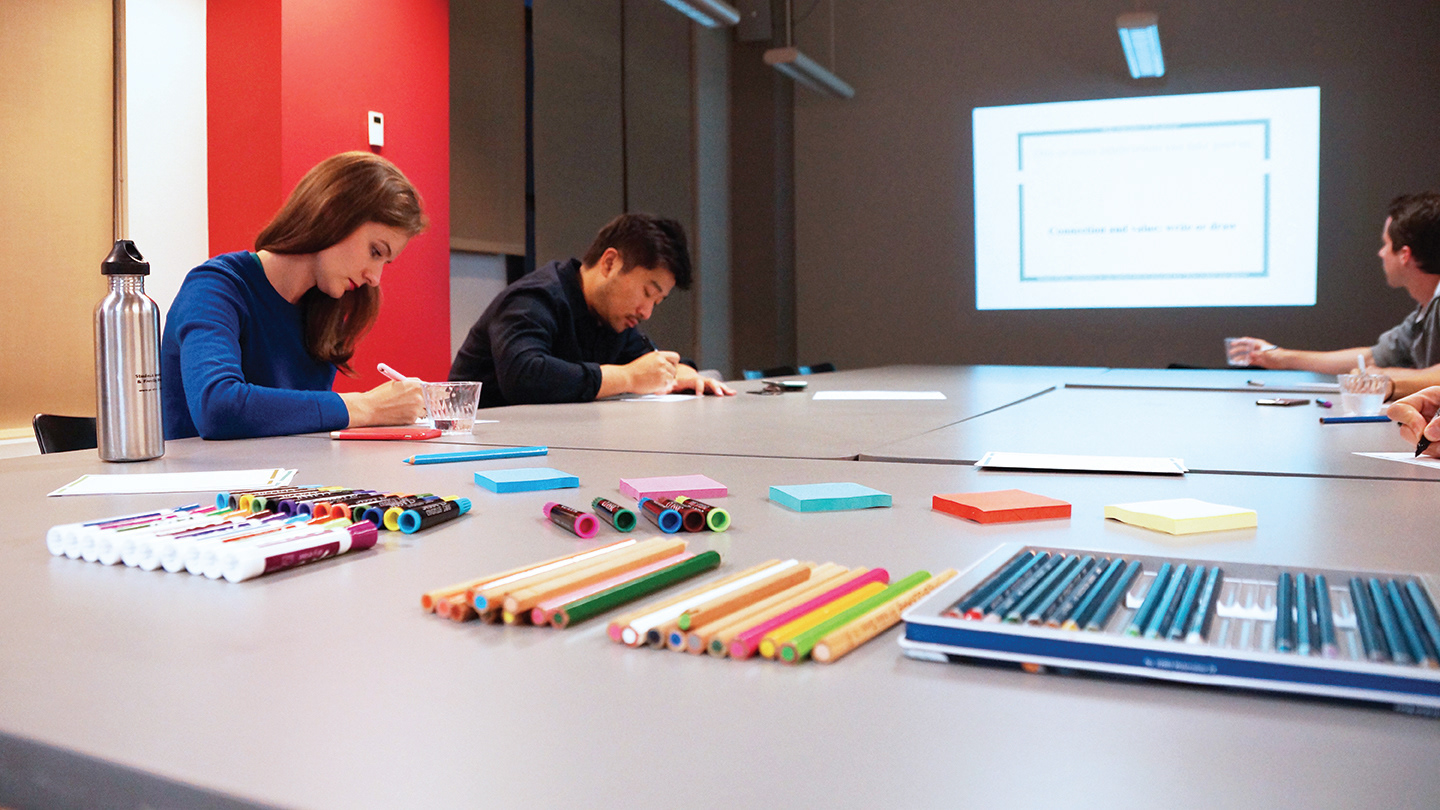
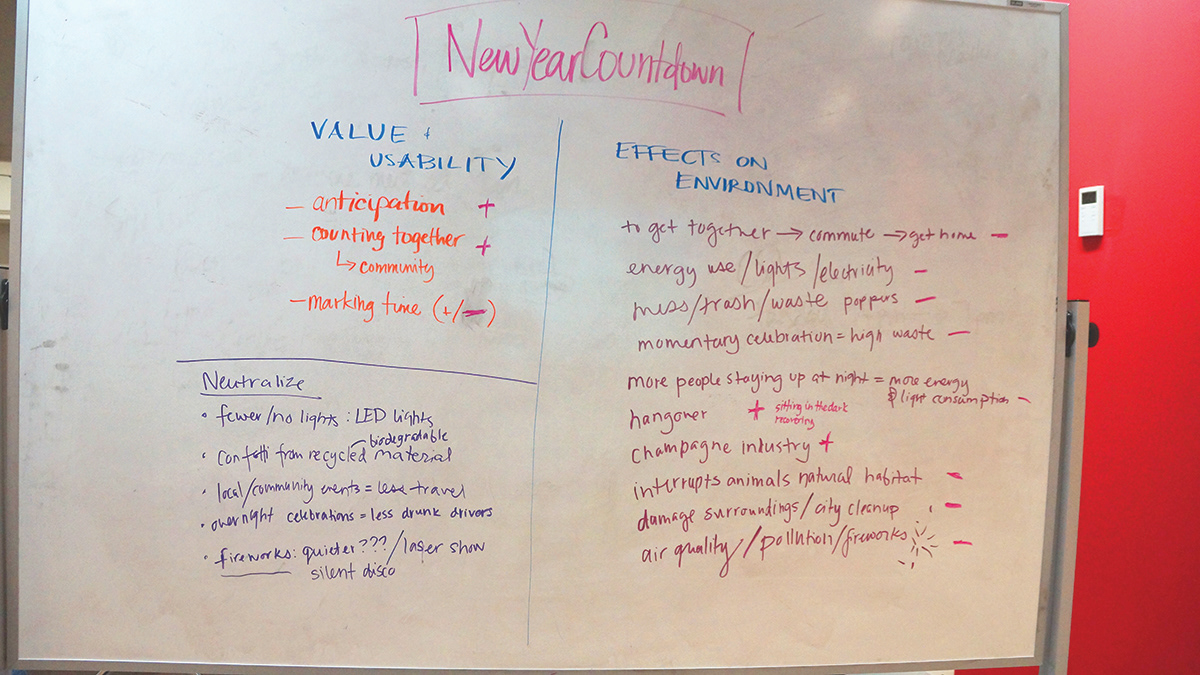
Research and Writing: Grounded the framework in a multi-disciplinary body of research spanning sustainability theory, systems thinking, compassion science, and cultural studies. The thesis introduced and applied the concept of Positive Sustainability, the distinction between sustainability as the mere absence of harm and sustainability as the active, intentional pursuit of flourishing conditions for all beings involved.
Conference Presentation: Presented the framework at the 13th International Conference of the European Academy of Design in Dundee, Scotland, in 2019.
The Outcome:
A pedagogical framework and full toolkit that educators can use to guide students through a compassionate, systems-aware process of cultural inquiry and creative redesign. Designed for accessibility and intergenerational use, the framework continues to inform Charlene's practice in curriculum development, participatory facilitation, and learning experience design for sustainable and regenerative futures.